

Understanding the Basics of Gambling A Beginner’s Guide to Getting Started
Understanding the Basics of Gambling A Beginner’s Guide to Getting Started
What is Gambling?
Gambling is defined as risking something of value on an uncertain outcome with the intent of winning additional value. This can take many forms, from betting on sports and casino games to playing the lottery. At its core, gambling is about taking calculated risks and hoping for a favorable outcome. Understanding the nature of these risks is essential for anyone looking to dive into the world of gambling, especially those who are interested in the MagneticSlots bonus options available to enhance their experience.
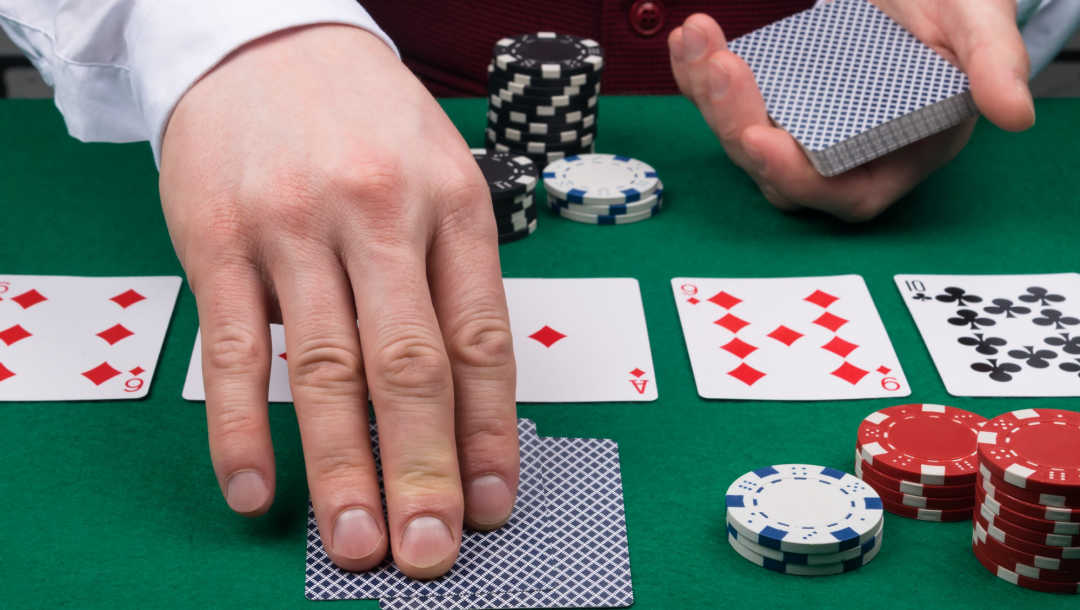
While gambling can be thrilling and potentially profitable, it is also a game of chance. Many individuals are drawn to gambling for the excitement and the possibility of winning big. However, it is crucial to approach gambling with a clear mindset and an understanding that the odds are typically against the player. Whether you are playing poker, roulette, or betting on your favorite sports team, knowing the odds and how they work is fundamental.
Many people gamble for entertainment, viewing it as a way to enhance their leisure time. However, it’s important to recognize the psychological aspects of gambling, such as the thrill of taking risks and the occasional win. Being aware of these factors can help beginners cultivate a healthier relationship with gambling, ensuring it remains a fun activity rather than a source of stress or anxiety.
The Different Types of Gambling
Gambling can be categorized into several different types, each offering its unique experiences and levels of risk. Casino games are among the most popular, with games like slots, blackjack, and poker providing various ways for players to engage. Casino gambling is often found in both physical locations and online platforms, making it easily accessible for beginners.
Sports betting is another prevalent form of gambling, where individuals wager on the outcomes of sporting events. This type of gambling requires not just luck but also a good understanding of the sport in question. Beginners should research various betting strategies and understand the mechanics of odds before placing any bets. Engaging in sports betting can enhance the enjoyment of watching games while providing a new level of excitement.
Lotteries represent another form of gambling, often offering substantial jackpots for a relatively low initial investment. While the odds of winning a lottery are often very low, the allure of a life-changing payout continues to attract millions of players. Understanding the mechanics of lotteries, including how they are drawn and what the odds are, is essential for any beginner looking to try their luck in this arena.
Understanding Gambling Odds and Probabilities
One of the foundational concepts in gambling is understanding odds and probabilities. Odds represent the likelihood of an event occurring, often presented in fractions, ratios, or percentages. For instance, if a roulette wheel has 18 red spaces out of 38 total spaces, the odds of landing on red are 18 to 20. Understanding these odds allows players to make informed decisions about where to place their bets.
Probabilities, on the other hand, quantify the chance of a specific outcome happening. For example, if you roll a six-sided die, the probability of rolling a three is one out of six. The better a gambler understands these numbers, the more strategically they can approach their betting. It’s important for beginners to familiarize themselves with common gambling games and their respective odds to develop a well-rounded understanding.
Calculating odds can also inform bankroll management, which is crucial for long-term success in gambling. Beginners should set a budget for their gambling activities and understand how to divide that budget among various bets. This practice helps players to avoid overspending and ensures that gambling remains an enjoyable pastime rather than a financial burden.
Responsible Gambling Practices
Responsible gambling is crucial for maintaining a healthy balance between enjoyment and risk. One key aspect is setting limits on the amount of money and time spent gambling. Players should establish a budget before engaging in any gambling activity and stick to it, regardless of wins or losses. This discipline is essential for protecting one’s financial well-being.
Another important practice is recognizing the signs of problem gambling. If you find yourself chasing losses or gambling more than you intended, it may be time to reevaluate your habits. Resources are available for those who feel their gambling may be becoming problematic, including hotlines and counseling services. Awareness and early intervention can prevent more serious issues from developing.
Additionally, taking breaks during gambling sessions can help maintain perspective. It’s easy to get caught up in the moment and lose track of time. Setting a timer or having a friend watch out for you can be beneficial. Overall, responsible gambling involves understanding your limits, staying aware of your mental state, and seeking help when necessary.

Conclusion: Navigating the World of Gambling
As you embark on your gambling journey, it is important to approach the activity with knowledge and caution. Understanding the various forms of gambling, grasping the concepts of odds and probabilities, and adopting responsible gambling practices can greatly enhance your experience. Remember that gambling is primarily for entertainment; it should not be viewed as a reliable source of income.
This beginner’s guide aims to provide you with a solid foundation as you explore the exciting world of gambling. By taking the time to educate yourself about the different types of games and strategies, you’ll be better equipped to make informed decisions. Always remember to gamble responsibly and prioritize enjoyment over winning.
For those looking to delve deeper into the world of gambling, numerous resources and communities are available to provide support and guidance. Websites dedicated to gambling education can offer valuable insights, while forums and social media groups can connect you with fellow enthusiasts. By engaging with these resources, you can continue to enhance your understanding and enjoyment of this fascinating pastime.
